Wind Direction Outline Icon: A Designer's Guide to a Versatile Asset
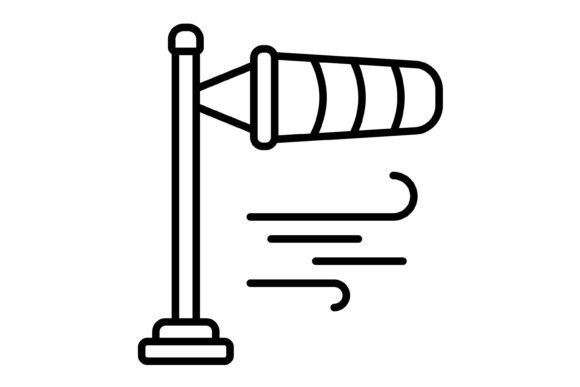
There's a specific kind of visual clarity you get from a well-designed icon. It communicates an idea instantly, without noise or distraction. The Wind Direction Outline Icon is a perfect example of this principle in action. At first glance, it's a simple graphic—a set of arrows indicating movement and orientation. But its true value lies in its execution and versatility. This isn't just a picture of arrows; it's a multi-format design asset built for the modern creative workflow. For designers, marketers, and content creators, it represents a small but mighty tool that can elevate a project's professionalism and user experience.
The icon itself has a clean, technical personality. Its appeal is rooted in its 100% vector foundation, which means every line is mathematically defined. This results in perfect clarity at any size, from a tiny favicon in a browser tab to a large-scale print banner. The outline style is inherently modern and minimalist, allowing it to integrate seamlessly into diverse visual systems without clashing with existing brand identity elements. It feels both functional and sophisticated, a combination that's hard to find in generic icon packs.
Where This Icon Truly Shines: Practical Applications
The real test of any design asset is its utility. The Wind Direction Outline Icon excels because it's delivered in a package built for real-world use. The included zip file isn't just a single file; it's a toolkit. With AI, EPS, JPG, PNG, and SVG formats, you're equipped for almost any scenario. The SVG is perfect for crisp web design and scalable app interfaces, while the PNG's transparent background makes it ideal for layering in presentations or social media graphics. The AI and EPS files give vector-editing pros full control to customize colors and strokes to match their project's exact needs.
Think about its applications across different fields. In mobile app and website UI, it can intuitively guide users, indicating scroll direction, navigation paths, or data flow in a dashboard. For a weather-related service, a travel blog, or an outdoor brand's e-commerce site, it becomes a thematic element that enhances credibility. In presentation design, it can visualize concepts like market trends, strategic direction, or project timelines. For print materials—think infographics, manuals, or packaging—it adds a layer of professional detail that elevates the entire piece. It's a true workhorse for any project requiring a touch of technical elegance.
Integrating the Icon: From Asset to Advantage
Simply having the icon isn't enough; integrating it thoughtfully is key. Start by considering its role. Is it a navigational aid, a decorative accent, or a core part of a logo? Its clean lines make it an excellent companion to a wide range of typefaces. Pair it with a sturdy sans serif font for a tech-forward look, or use it alongside a classic serif font to create an interesting contrast between modern utility and traditional elegance. This kind of considered font pairing is what separates good design from great design.
When incorporating it into your brand identity or marketing materials, consistency is crucial. Use the same format and color treatment across all platforms to build recognition. Its simple form ensures it won't create visual clutter, which helps maintain a clear visual hierarchy. This allows your primary message to stand out while the icon provides supportive context. For entrepreneurs and small business owners building a brand identity from scratch, assets like this are invaluable. They provide a polished, professional look without the cost of a fully custom illustration, making high-quality design assets accessible to everyone.
A Final Thought on Creative Assets
In the end, the best creative tools are the ones that get out of your way and let you do your work efficiently. The Wind Direction Outline Icon is designed with that philosophy in mind. It's not trying to be the star of the show; it's a reliable supporting actor that enhances the overall production. Its strength is its adaptability and the thoughtful consideration behind its file formats and scalability. Whether you're crafting a mobile app interface, designing an editorial layout, or building a compelling presentation, having a well-crafted icon like this in your toolkit can save time, add polish, and ultimately help you communicate more effectively with your audience.